
Lumbar disc herniation can be debilitating and can affect your quality of life. A Recent article by Pourahmadi et al. evaluated the effectiveness of Motor Control Training (MCT) compared with other physical therapist-led interventions, minimal/no interventions, or surgical approaches with people struggling with lumbar disc herniations. Here is a summary of the results:
Motor control training (MCT) has shown some advantages over other physical therapist-led interventions for patients with symptomatic lumbar disc herniation (LDH):
- Pain Reduction: At short-term follow-up, MCT has been found to result in clinically meaningful pain reduction compared to transcutaneous electrical nerve stimulation (TENS) in patients who did not undergo surgery.
- Functional Improvement: MCT has demonstrated a large and statistically significant improvement in functional status compared to traditional/classic general exercises at long-term follow-up in patients who have undergone surgery.
- Overall Certainty: The overall certainty of evidence for these findings is very low to low, indicating that while there are positive trends, the robustness of these results is not strong due to high risk of bias in the majority of studies.
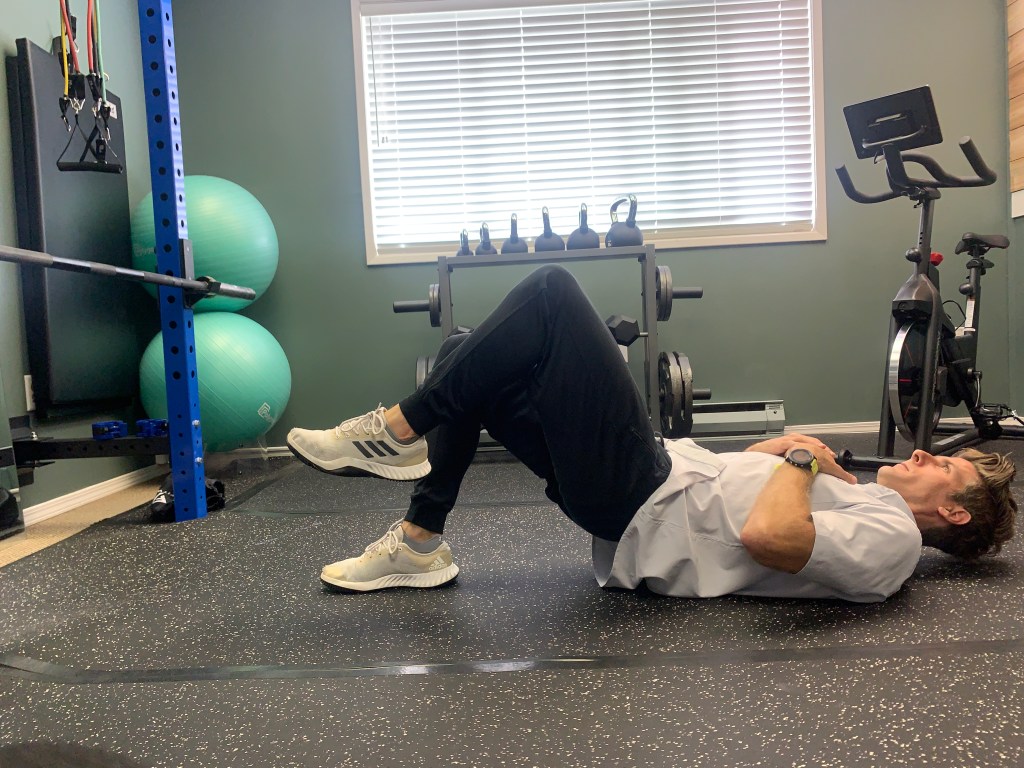
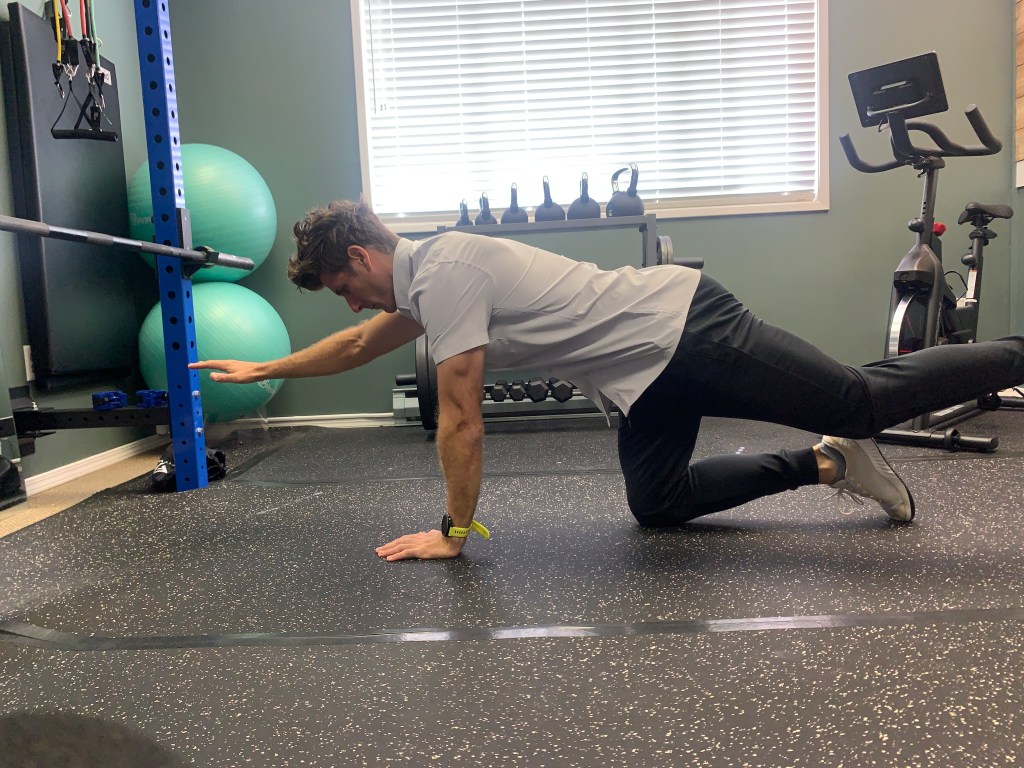
You may be wondering, what are MCT? These exercises include exercise that strengthen core muscles (multifidus, transverse abdominus, and pelvic floor). The exercises focusses on correcing motor control “faults”, such as optimization of muscle activation or posture and movement to modify loading of the lumbar spine and adjacent structures (e.g. hips and Thoracic spine).
In summary, MCT may offer better short-term pain relief and long-term functional improvement compared to some other physical therapist-led interventions, but these findings should be interpreted with caution due to the low certainty of evidence.
 TRAVIS MICHELSON KINESIOLOGY
Leave a comment